Introduction
Small bathrooms present design challenges, yet they offer opportunities to rethink layout, materials, and storage. This guide on smart small bathroom ideas draws on proven design principles and practical advice to help you create a brighter, more functional space without sacrificing style.
Core principles for small bathroom ideas
- Maximize perceived space with light colors and reflective surfaces
- Choose compact, wall mounted or corner fixtures
- Prioritize storage and smart organization
- Plan for maintenance with durable, water resistant materials
Layout optimization
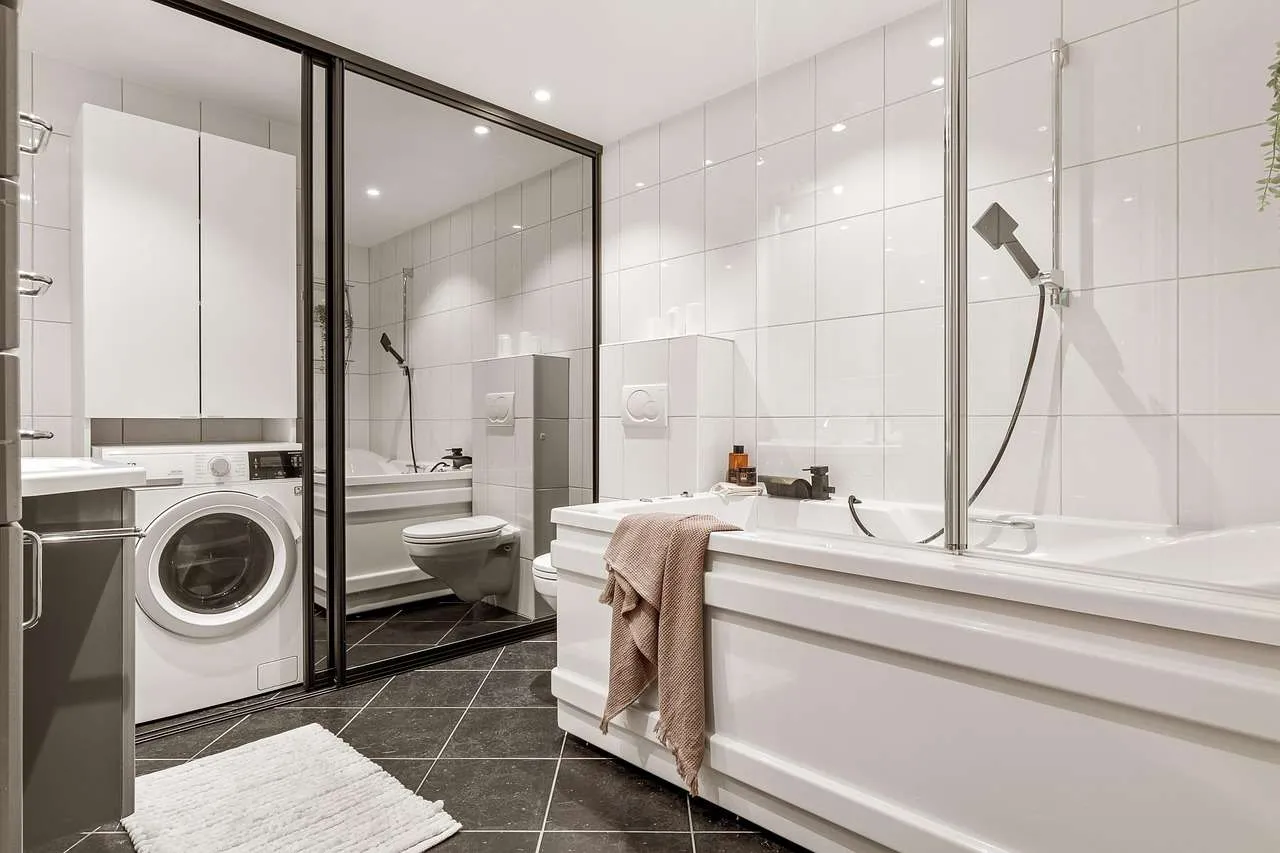
In a small bathroom, layout matters more than almost any other choice. Consider a wall mounted vanity and a slim, wall hung toilet to free floor space. A glass shower enclosure with a clear door will visually expand the room. If possible, install a pocket door or barn door to eliminate door swing interference.
Storage solutions
Built in niches in the shower, recessed medicine cabinets, and a shallow vanity maximize storage without crowding the footprint. Use tall, narrow shelving and hooks on the back of the door. Choose a vanity with a shallow depth, ideally 12 to 16 inches, to preserve floor space while keeping essential storage accessible.
Fixtures and finishes
Opt for a wall mounted sink, compact vanity, and a dual flush or compact toilet. Consider a linear drain and a frameless glass shower for a streamlined look. Durable, water resistant finishes in light tones reflect more light and keep the space feeling open.
Lighting and mirrors
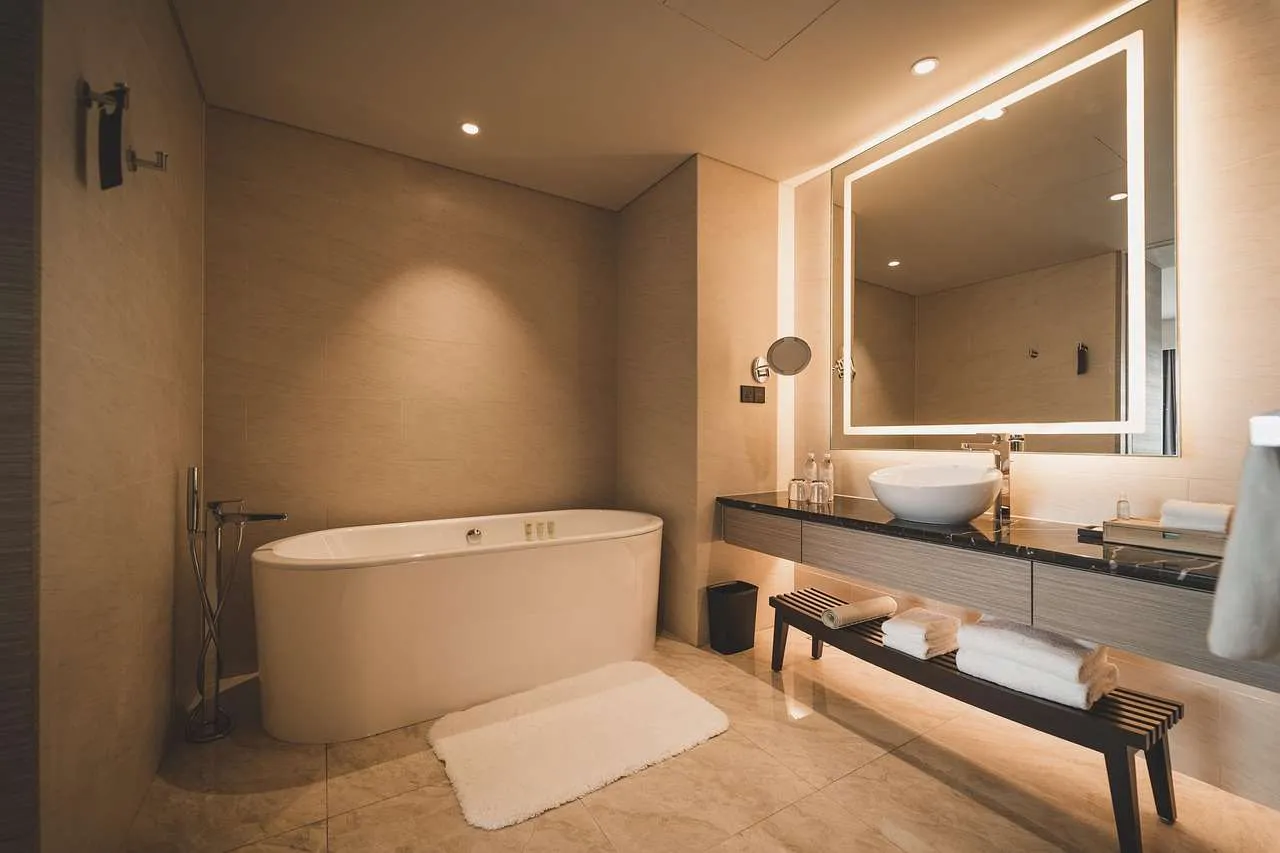
Layer lighting with ceiling fixtures, vanity lighting, and a large mirror. A backlit mirror or mirrored cabinet can double as a light source and a storage surface, enhancing depth and brightness in a small bathroom.
Color and materials
Light neutral palettes like whites, creams, and pale grays make walls recede and ceilings feel higher. Use large format tiles to minimize grout lines. Gloss or semi gloss finishes reflect light, while durable porcelain or enamel surfaces resist humidity and wear.
Budget and maintenance
Plan for durability by selecting solid surfaces and corrosion resistant hardware. Prioritize water resistance and ease of cleaning. While premium fixtures increase upfront cost, long term maintenance savings can offset this choice.
Layout options quick comparison
| Layout option | Pros | Cons | Best for | Approx cost |
|---|---|---|---|---|
| Walk in shower only | Open feel, easy access | No tub storage | Ultra compact spaces | Low to mid |
| Shower plus compact vanity | All essentials compactly placed | Limited counter space | Most small bathrooms | Mid |
| Tub/shower combo | Versatile, bathing option | Larger footprint | Families on a budget | Mid to high |
| Wet room with glass partition | Feels spacious, easy cleaning | Requires careful flooring | Small but open plans | High |
Practical planning steps
- Measure carefully and map door swings, windows, and plumbing lines
- Create a mood board with fixtures and finishes
- Check building codes and consider a professional for plumbing or electrical work
- Source compact, quality fixtures designed for high humidity environments
- Plan a phased approach if the project is budget sensitive
User oriented tips for EEAT
Lean on vetted, reputable brands for fixtures and surfaces. When in doubt, consult licensed professionals for installation and permits. This guide collates practical methods used by interior designers and bathroom specialists to improve space efficiency while maintaining safety and durability.
Conclusion
Conclusion, applying these small bathroom ideas helps maximize space, storage, and style with durable, low maintenance finishes and careful layout choices that stand the test of time.