Understanding Roofing and Why Timely Roof Repairs Matter
Roofing protects your home from weather, energy loss, and structural damage. When something goes wrong, knowing how roofing and roof repairs work can save you time, money, and stress. This guide shares practical insights from experienced roofers and emphasizes standards that ensure safety, quality, and lasting results.
Understanding Roofing and Why Timely Roof Repairs Matter
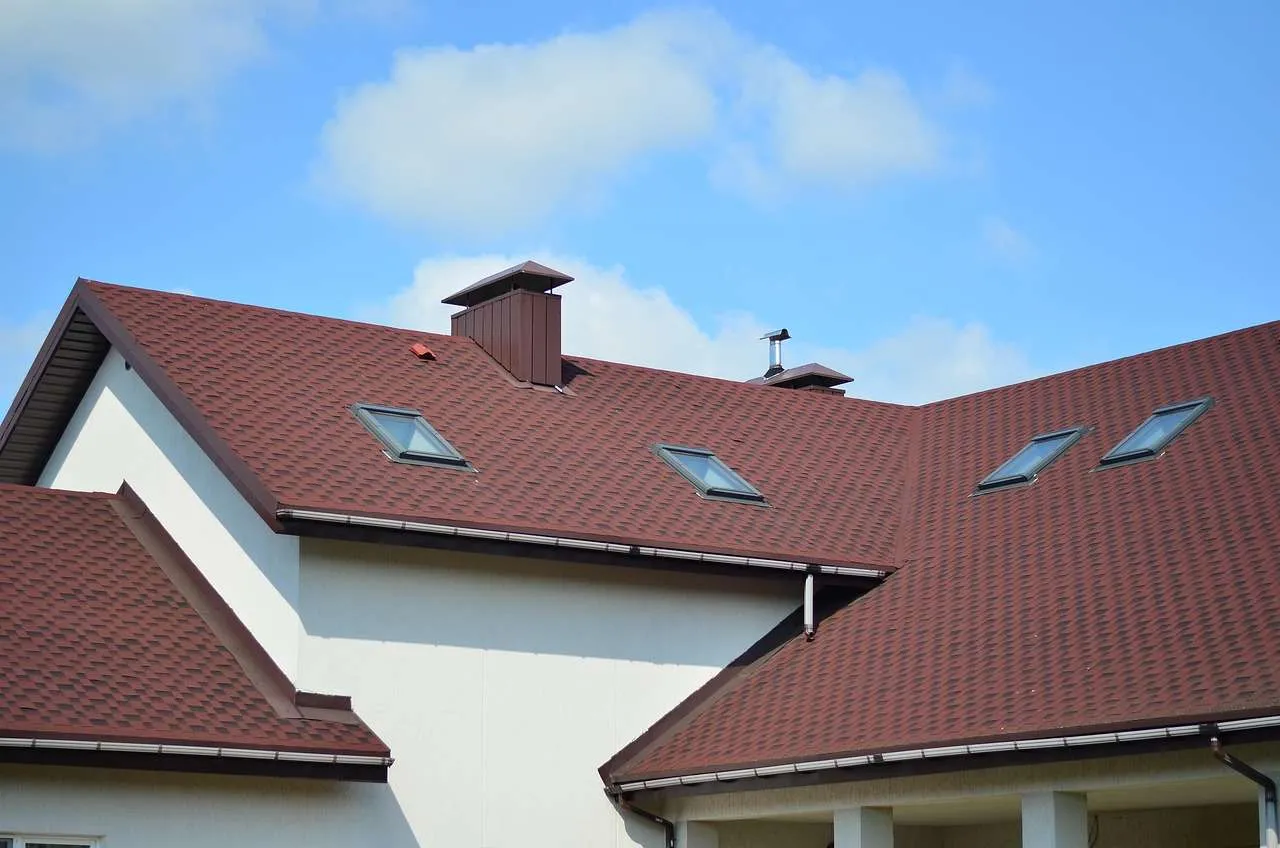
Roofing is not only about shingles or tiles. It starts with a well installed underlayment, proper ventilation, and a durable flashing system. Regular inspections and timely roof repairs can prevent water intrusion, mold, and costly structural damage. For homeowners, the key is to recognize warning signs early and to work with licensed professionals who carry liability and workers compensation insurance. Manufacturer certifications from trusted brands indicate a roofer meets industry standards and uses approved installation methods.
Common Roofing Materials and What They Mean for Repairs
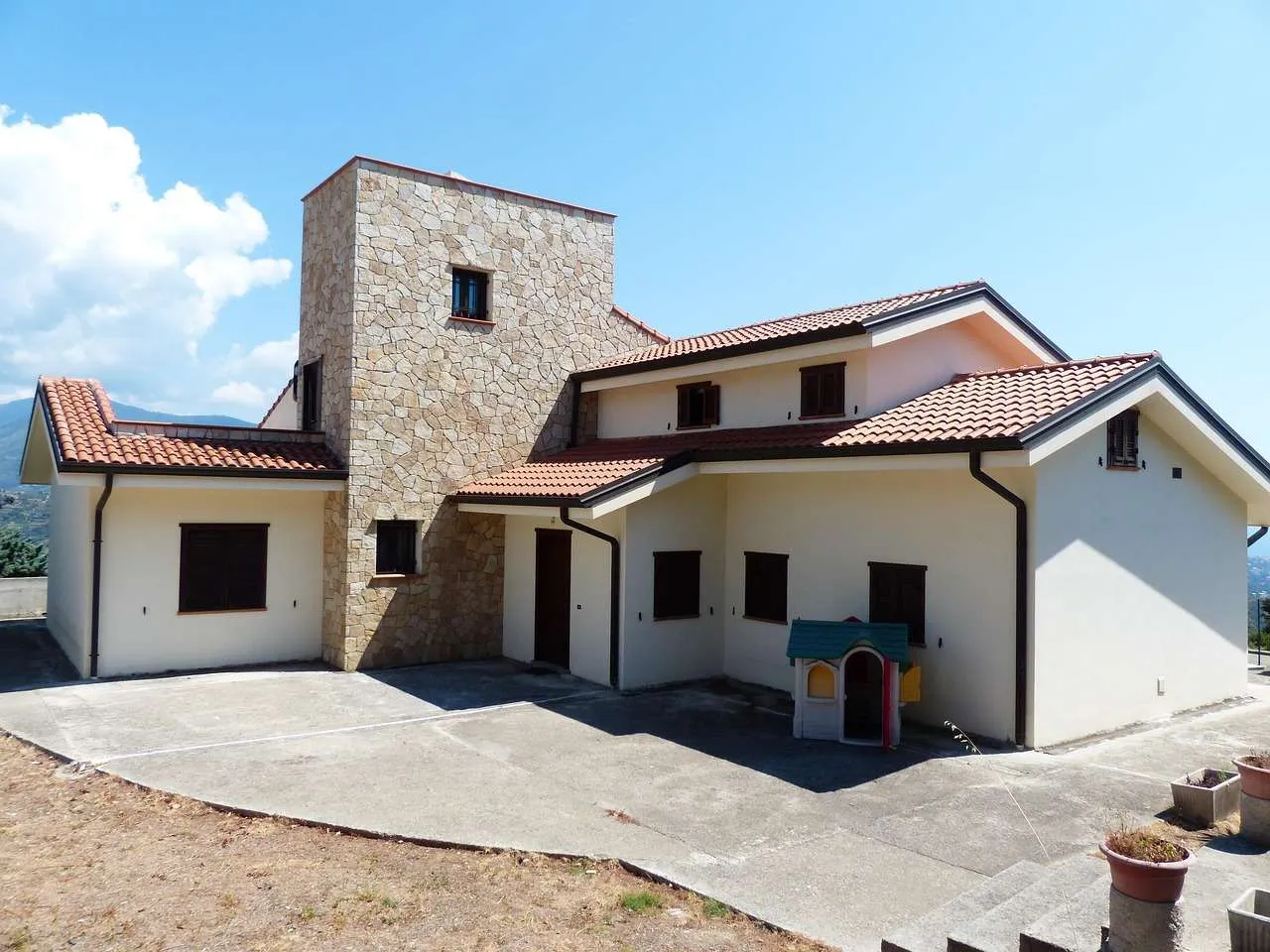
Asphalt shingles are the most common and typically the most economical choice. They are easy to replace, but age and wind can cause buckling and granule loss. Metal roofs offer longevity and resistance to impact, but complex flashing may require skilled repairs. Tile and slate deliver beauty and durability but are heavy and weather sensitive; repairs require careful matching and professional handling. Each material has its own maintenance pattern and warranty terms, so ask for product literature and a written plan when planning roof repairs.
Common Roof Problems and Signs You Need Repairs
- Missing, curling, or cracked shingles after a storm
- Granule loss in gutters or shingles
- Sagging sections or visible daylight in the attic
- Worn flashing around chimneys, vents, or skylights
- Ice damming or water stains on ceilings
DIY vs Professional Roof Repairs: When to Call a Pro
Minor maintenance such as removing debris and cleaning gutters can be safe with proper precautions. However, if you see active leakage, structural sag, or damaged flashing, hire a licensed roofer. Roofing work involves steep slopes, fragile materials, ladder safety, and electrical hazards near vents. Insurance coverage and manufacturer warranties typically require professional installation or repair, so using a pro helps protect your investment.
Cost Considerations: What Roof Repairs Typically Cost
Costs vary by material, severity, and local labor rates. Typical repairs include shingle replacement, flashing repair, vent boot replacement, and patches for leaks. The following table provides rough ranges to help you budget.
| Scenario | DIY Feasibility | Typical Cost Range | Key Risk | Best Practice |
|---|---|---|---|---|
| Replace a few damaged shingles | Low to moderate | 150 to 500 | Injury, improper seal | Obtain a match; follow weather window |
| Repair flashing around chimney or vent | Low | 200 to 600 | Water intrusion if failed | Best left to pro |
| Leak repair near roof intersection | Moderate | 300 to 1,200 | Hidden water damage | Inspect attic, pursue pro |
| Full roof replacement | Not recommended | 5,000 to 15,000 | Contractor risk, warranty issues | Hire licensed roofer with references |
How to Choose a Roofing Contractor
Experience matters. Look for licensed, insured contractors with a solid track record and clear references. Ask about manufacturer certifications like GAF or CertainTeed, warranty options, and the scope of the written estimate. Request a pre-work inspection, a detailed written contract, and proof of insurance for workers. Check online reviews, ask to speak with past clients, and verify that the roofer obtains permits when required.
Maintenance Tips to Extend Roof Life
Keep gutters clean and free of debris, trim overhanging branches, and remove moss or algae using approved roof cleaners. Schedule seasonal inspections, especially after heavy storms. Ensure attic ventilation is adequate to prevent heat buildup and ice dams. By addressing small issues promptly, you protect longevity and prevent major repairs later.
Conclusion
Conclusion, with a proactive approach to roofing and roof repairs you reduce water damage, extend roof life, and protect your home value. Rely on licensed professionals for complex issues, invest in proper maintenance, and document warranties and inspections to build lasting confidence in your decision.