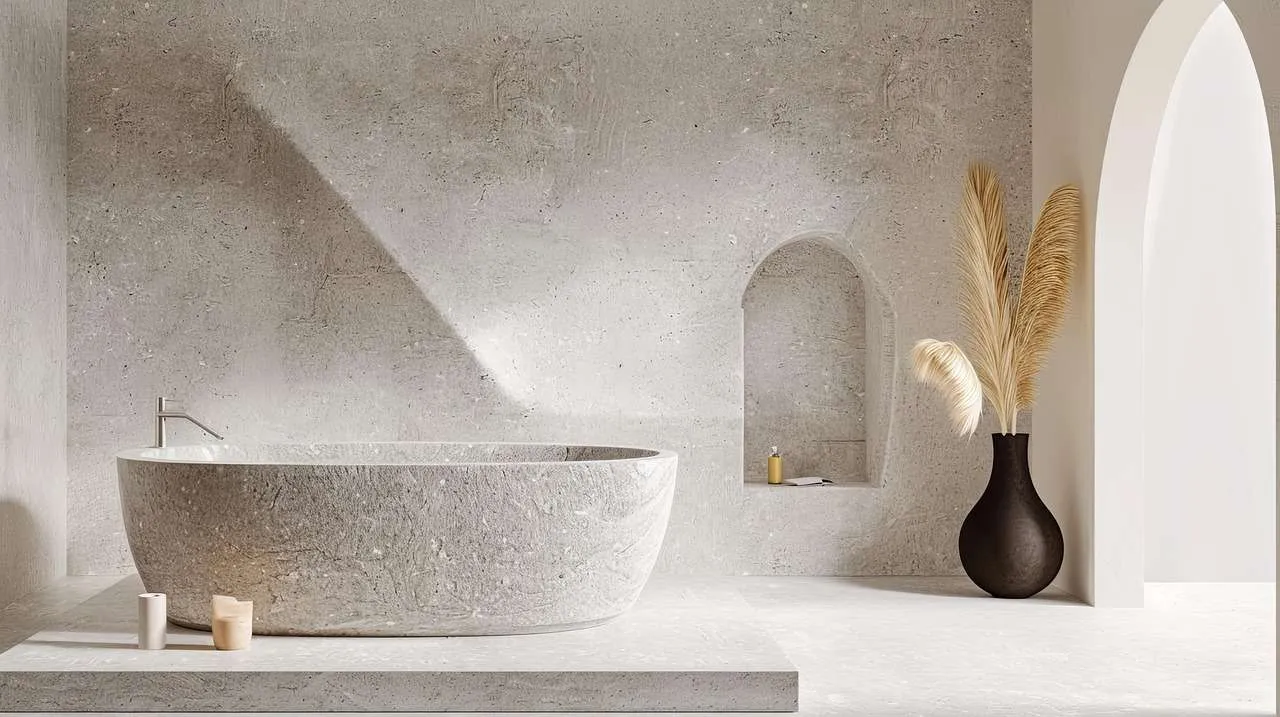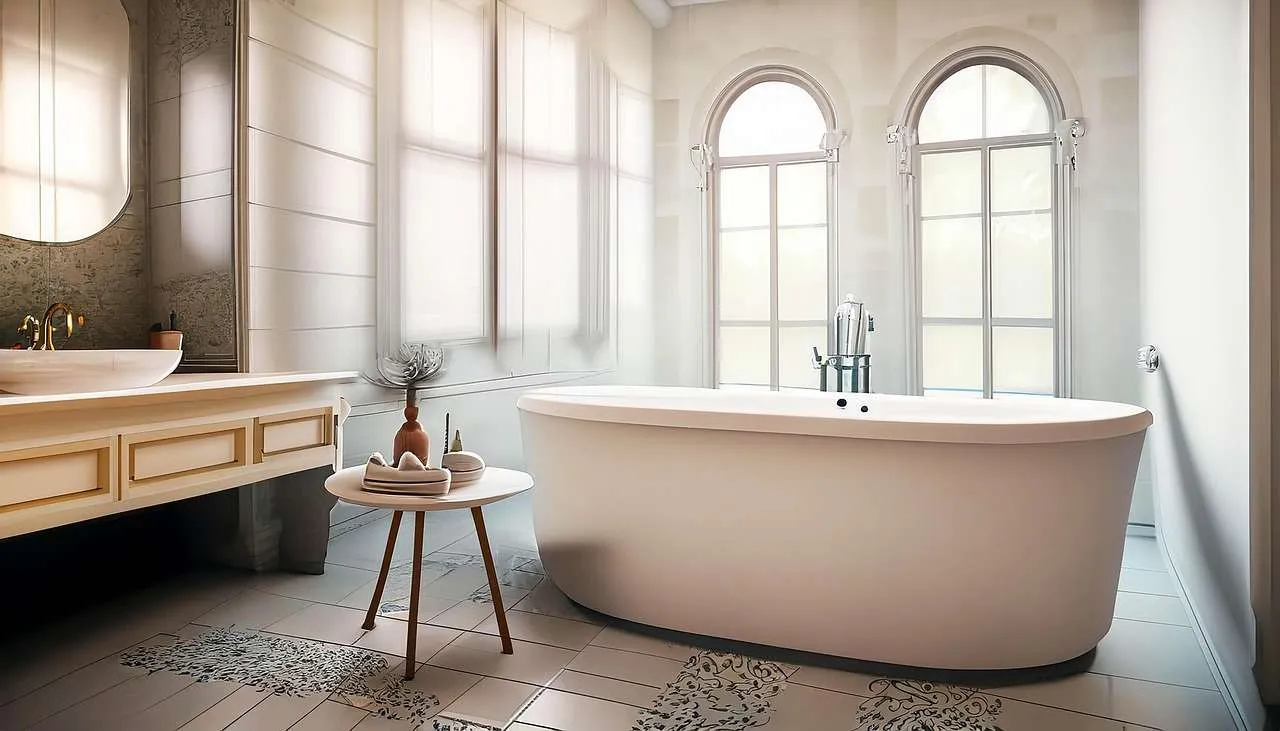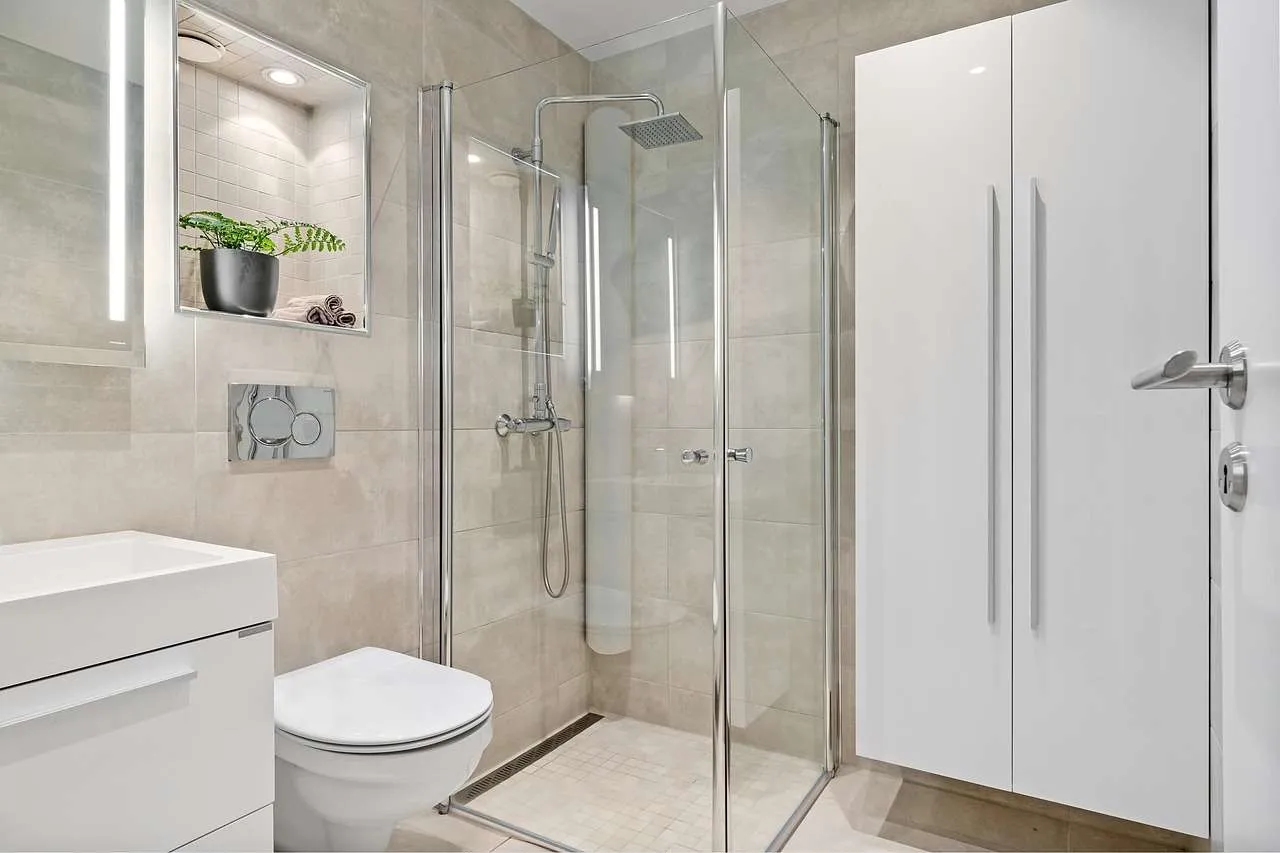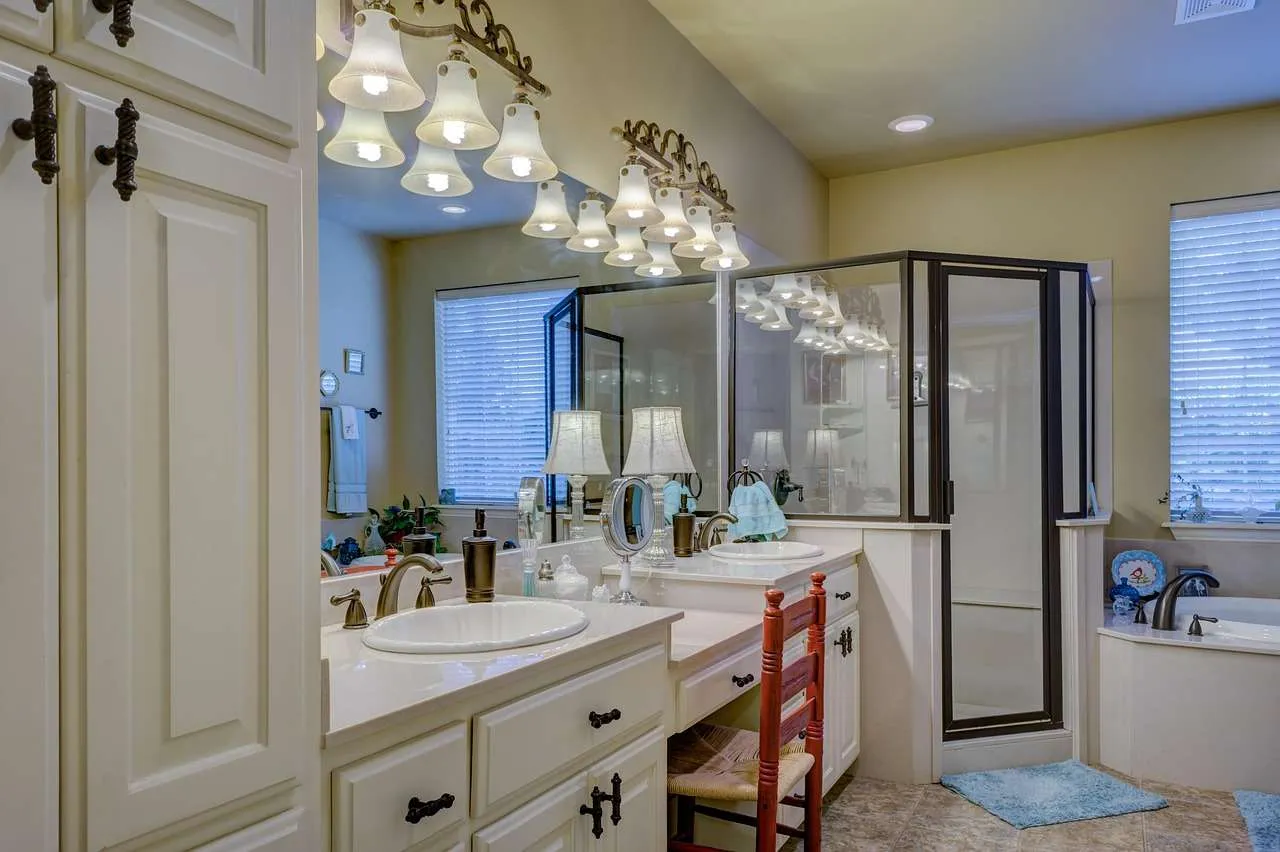
Choosing bathroom tiles can define the mood of a bathroom, from warm coastal vibes to sleek modern minimalism. This guide covers types, layouts, and care so you can select tiles with confidence.
Understanding bathroom tile types
Common options include ceramic, porcelain, natural stone, glass, and cement. Ceramic tiles are clay-based and fired at lower temperatures, while porcelain is a denser variant with a water absorption rate under 0.5 percent. Glass tiles provide sparkle and light reflection but can be slippery on floors. Natural stone offers a luxurious look but requires sealing and ongoing maintenance. Cement tiles bring bold patterns but can be prone to staining if not sealed.
Ceramic vs porcelain
For most bathrooms, porcelain is the higher performance choice for floors due to its density and low water absorption. Ceramic is a budget-friendly option ideal for walls or low-traffic areas. When selecting, check the PEI rating for durability and the water absorption rate to gauge suitability for wet zones.
Choosing the right tile for your space
Consider moisture level, slip resistance, size of the space, and maintenance. Slip resistance is rated with R values; for wet floors, look for R10 or higher. Light colors can make a small bathroom feel larger, while large-format tiles reduce grout lines and create a seamless look. Patterned tiles can add personality, but keep a neutral base to avoid overwhelming the space.
Size, layout and patterns
Popular sizes include 4x4, 6x6, 12x12 inches for walls, and large formats like 12x24 inches for floors. Offsetting patterns like herringbone or brick bonds can add interest without complicating maintenance. For showers, larger tiles reduce grout lines and improve water resistance when installed with proper waterproofing.
Installation tips and common mistakes
Prepare a clean, level substrate and use a quality adhesive. Always seal natural stone and use moisture-rated membranes behind wet areas. Avoid over-tiling with heavy patterns that require frequent grouting repairs. Rent a tile cutter or use a professional for porcelain and stone cuts near corners and niches to ensure precise fit.
Maintenance and cleaning
Clean with pH-neutral cleaners and avoid harsh acidic or abrasive products that can dull glaze or etch stone. For grout, seal lines after installation and re-seal every 1 to 2 years, depending on traffic. Regular squeegee and dry surfaces after showers to minimize mildew. A small routine of blotting spills quickly keeps tiles looking new over time.
Design ideas and trends
Mix textures such as matte wall tiles with glossy accents, or pair wood-look porcelain with white marble-inspired surfaces. Subway tiles remain versatile for backsplashes, while large-format tiles create a spacious feel. Bold colors in small accents work well for a frame or niche, and geometric patterns make a contemporary statement without overpowering the room.
Cost considerations and professional help
Costs vary by material, size, and installation. Ceramic options are typically most affordable, followed by porcelain, natural stone, and glass. Labor costs add a significant portion of the budget, especially for intricate cuts or extensive waterproofing. If you are unsure about substrate preparation, waterproofing, or sealing, hiring a licensed tile installer ensures safety and durability.
Comparison table
| Tile Type | Pros | <Cons | Best For |
|---|---|---|---|
| Ceramic | Cost-effective, wide range of patterns and colors, easy to cut | Less durable on floors, more porous than porcelain | Walls, backsplashes, light-traffic areas |
| Porcelain | Dense, water-resistant, durable, versatile finishes | Higher cost, tougher to cut | Bathroom floors and wet zones |
| Natural Stone | Luxurious, unique veining and color | Porous, requires sealing, higher maintenance | Accent walls, shower niches, high-end floors |
| Glass | Bright, reflective, easy to clean | Slippery on floors, can show water spots | Showers, backsplashes, accents |
Conclusion
Conclusion, choosing bathroom tiles is a balance of function and style. By understanding tile types, moisture needs, and maintenance, you can select options that endure. Prioritize durability for floors, opt for slip resistance in wet zones, and use design accents to reflect your taste. A well-planned tile palette not only enhances aesthetics but also supports long term value and easy upkeep for your bathroom.